The Right to Grieve: Visibility and Validity in ‘A Fantastic Woman’

cover1

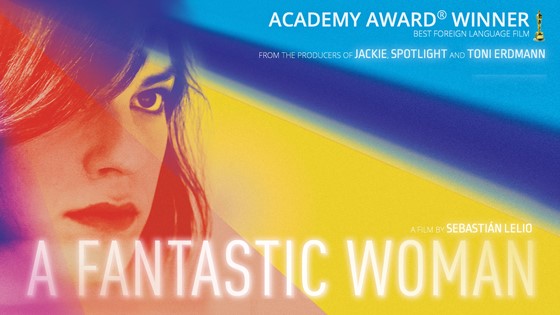
It seems that if a straight, cisgendered actor portrays a gay/lesbian or transgender character on screen they are a shoo-in for at least an Oscar nomination if not a guaranteed win. Viewers often refer to this person as ‘brave’ or ‘courageous’ for taking on such a complex, even “controversial” role. However, they fail to realize LGBT+ people must face judgement and oppression on a daily basis, the way this new Academy Award winner has only pretended to do for a couple hours in a film. In 2017, A Fantastic Woman broke the mold by casting a trans woman to [gasp] play the role of a trans woman. The Chilean film illustrates the harsh realities trans people face, even in the midst of life’s devastating events.

gasp

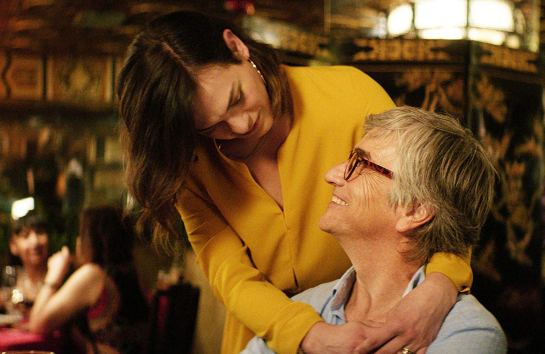
A Fantastic Woman follows Marina Vidal (Daniela Vega), a trans woman who works as a waitress and moonlights as a singer, and her older partner Orlando (Francisco Reyes). After an intimate birthday celebration for Marina, Orlando wakes in the middle of the night, experiencing pain. Even though Marina rushes him to the hospital, he unfortunately dies of a brain aneurysm. Subsequently, Marina attempts to properly grieve, while simultaneously fighting to be recognized as a sincere and significant part of Orlando’s life by his family. The film exhibits how, even in times of grief or trauma, transgender people still struggle to be acknowledged, and thus feel pressure from others to validate not only their gender, but any and all personal relationships as well.
marina and orlando

Marina’s once stable life is quickly upended in the wake of Orlando’s death as every private aspect of her life is invaded by the various institutions surrounding her. Panicked and anxiety-ridden at the news of her partner’s death, Marina flees the hospital, which causes the doctor to call the police to retrieve and then question her. Arriving back at the hospital, the police berate and misgender Marina, calling her “sir” and asking to see her I.D. so that they may know her “real name.” Marina is out as a trans woman and strangers generally view her as a cisgendered woman. While she is not “closeted” in the traditional sense, Marina still finds that “every encounter…erects new closets” (Sedgwick 68), where she must assert and defend her gender, along with her general existence.

One of the most demeaning and degrading invasions occurs when Marina is photographed by a medical examiner to ensure she did not sustain any injuries on the night Orlando died. This investigation is conducted because a sexual crimes detective (Amparo Noguera) believes the only way to explain the age gap between Orlando and Marina is that the latter is a sex worker. Marina is literally stripped from any remaining privacy she has maintained up until this point as she is forced to stand naked while the medical examiner and detective inspect her, silently scrutinizing her the entire time.
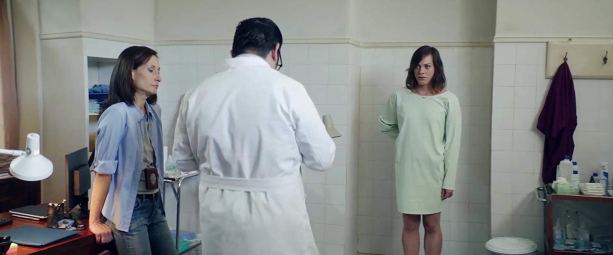
photo.jpg

The difficult process of dealing with Orlando’s sudden and shocking death is further complicated when Orlando’s transphobic family becomes involved. Orlando’s ex-wife, Sonia (Aline Küppenheim), and son, Bruno (Nicolás Saavedra) seize almost everything the couple once shared, including his car and dog, Diabla. They attempt to erase Marina’s presence altogether, omitting her from Orlando’s obituary and ordering her to not attend the wake or funeral. Bruno aids in the invasion of privacy when he begins occupying the apartment Marina and Orlando shared, believing he has more of a right to it than she does. In this despicable act Bruno not only breaches Marina’s safe space, but destroys it completely, leaving her with no place to grieve in peace. Due to this, Marina is forced to switch from a mourning mentality to a proactive and demanding one to defend her gender, relationship, and overall place in society with the same guaranteed rights as everyone else.

Despite the various intrusions Marina endures, she exhibits remarkable restraint, proving her grit and resilience. She deflects each and every question and accusation that’s thrown at her, refusing to disclose any more information than she’s comfortable with sharing. However, there are subtle moments where she almost permits Bruno and Sonia’s transphobic demands to take precedent. When Sonia tells her that she is not allowed at the wake or funeral Marina responds, “I know how to be discreet.” In this moment, Marina so desperately wants to be there to mourn Orlando that she is willing to take a backseat to keep Bruno and Sonia comfortable and content.

wind.jpg

Marina is constantly correcting hospital personnel, police officers, and Orlando’s family on her gender and name, trying to justify that she is a woman. It is not until she realizes that she will never be able to do so that she ceases these pursuits. In her book, Gender Trouble, Judith Butler writes that “the very injunction to be a given gender takes place through discursive routes…to signify a multiplicity of guarantees in response to a variety of different demands all at once” (145). There is no one precise definition for what a woman is, yet it’s clear that these characters have simply decided that Marina is not it. Marina will never be able to adhere to all of their requirements for womanhood and therefore, every one of her attempts to sway their opinions will be unsuccessful. Proving to them that she is a woman will not bring Orlando back, nor will it provide any closure for her. It’s not until Marina becomes aware of this fact that she begins to focus on her own well-being and happiness rather than Bruno and Sonia’s ignorant thoughts and views.

Despite finding the information in the newspaper, Marina ultimately decides to not attend Orlando’s funeral. She does, however, go to the funeral home after the ceremony. She then follows an employee to the basement of the morgue where she is able to view Orlando’s body just before it’s cremated. While it’s unfair that Marina has no choice but to say her goodbye hidden away in a dimly-lit basement, this scene does represent a turning point within her. Marina is fed up with being pushed in obscurity, so she will no longer be forced into the background of anyone’s life, especially her own.

woman

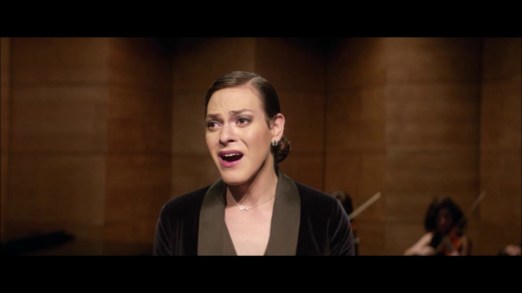
While a part of me hoped Marina would receive more direct justice than she was given, the film proves that Leslie Feinberg’s words ring true: “survival is still a battle for the transgendered population” (220). Marina lived through a traumatic and unwarranted experience and emerged stronger, showing that oftentimes surviving is enough. Despite their attempts to strip and deny Marina of her womanhood, she proved stronger than her oppressors, rising above those that tried to tell her who she was, or even who she was not. The small victories she accomplished along the way were momentous in nature. She not only got Diabla back, but the final scene displays Marina singing to a sold out auditorium. She is center stage during this performance and has thus stepped out of the shadows and fearlessly into the spotlight. This time she is not being questioned or rejected, but admired and accepted for who she is. For the first time in a long time, Marina is not only being seen, but she is being heard. She is a woman, and a fantastic one at that.
singing2

Works Cited

A Fantastic Woman. Directed by Sebastian Lelio, Performances by Daniela Vega, Francisco Reyes, Aline Küppenheim, and Nicolás Saavedra, Sony Pictures Classics, 2017.

Butler, Judith. “From Parody to Politics.” Gender Trouble: Feminism and the Subversion of Identity. New York, Routledge, Chapman & Hall, Inc., 1990.

Feinberg, Leslie. “Transgender Liberation: A Movement Whose Time Has Come.” The Transgender Studies Reader, edited by Susan Stryker and Stephen Whittle, Routledge, 2006, 205-220.

Sedgwick, Eve Kosofsky. Epistemology of the Closet. Berkeley and Los Angeles, University of California Press, 1990.
‘Paris is Burning’ While I’m Burning for More Answers

parisisburning

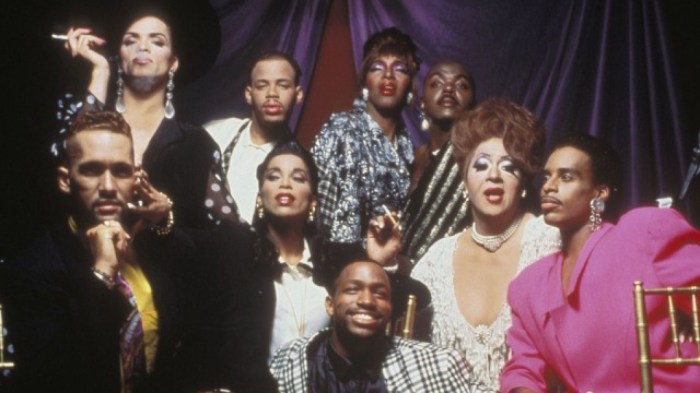
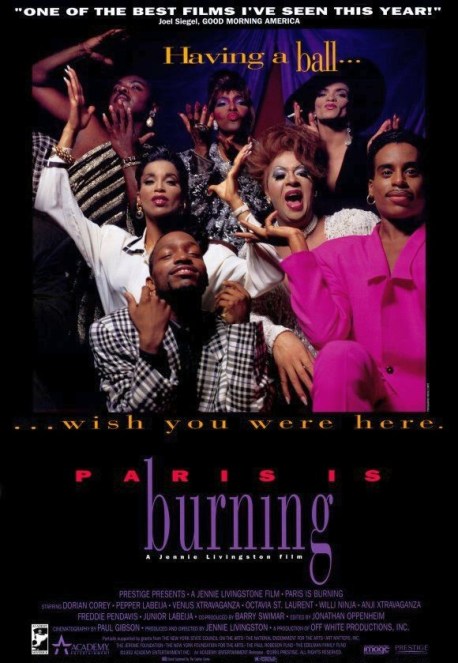
The 1990 documentary Paris is Burning is both enlightening and refreshing as it gives a glimpse into a subculture that many are unfamiliar with, myself included. Depicting life within the drag circuit in New York City during the mid-to-late 1980s, the film follows performers (called drag queens) as they compete while trying to achieve wealth and fame along the way. This film is instrumental in the sense that it allows members of this marginalized community to share their stories and experiences in their own words. Due to this, Paris is Burning can be exceptionally educational and representative, if it’s accompanied by adequate background as well as follow-up information, otherwise pertinent material can be lost, forgotten, or misconstrued.

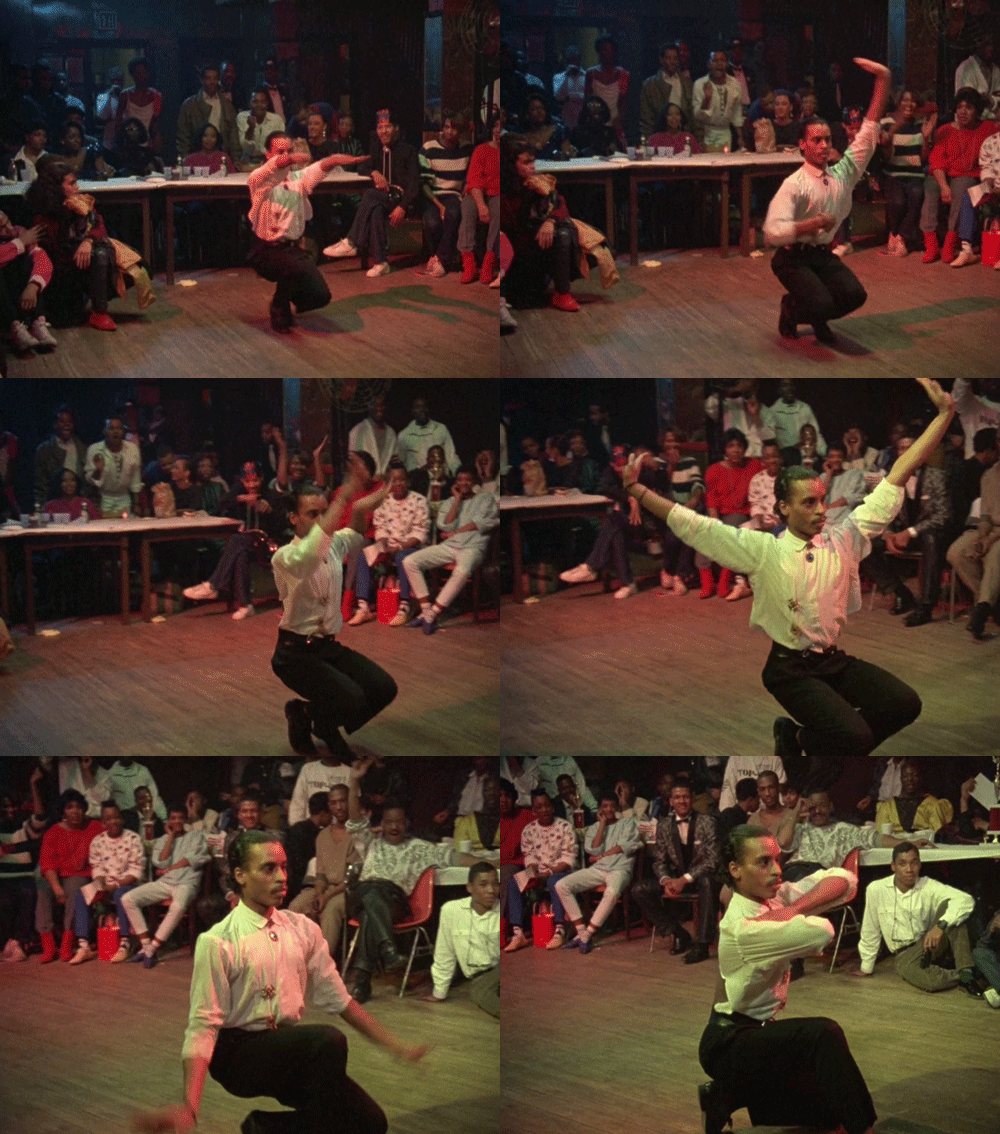
This film invites audiences into the previously unexplored world of the drag queens and the surrounding ball circuit. Balls are competitions where performers are judged on their ability to present an authentic version of whichever category they are emulating, from their attire down to their voguing (a dance form consisting of poses that imitate high fashion catwalks). The documentary focuses on a few key members of the ball circuit including Willi Ninja, Pepper LaBeija, Dorian Corey, and Venus Xtravaganza, providing candid, one-on-one interviews with each individual.

paris5

What separates this film from other queer films is the fact that it’s focused around queer people of color, as opposed to the typical cisgender, white, gay/lesbian men and women that tend to be featured on the silver screen. The intersectionality of this documentary is further emphasized with the ball categories. In her chapter, “Gender is Burning: Questions of Appropriation and Subversion,” Judith Butler notes how the “categories include a variety of social norms,” (386) yet this does not mean all of the competitions are geared toward white culture. Butler goes on to say how, “some of them are replications of a straightness that is not white; and some of them are focused on class” (386). A few of the ball categories are “school boy/girl,” “butch/femme queen,” “executive,” “military,” and “high fashion.” The implementation of these inclusionary categories brings more participation and creates a space where the spectrum of race, class, and gender can be encapsulated while coexisting.

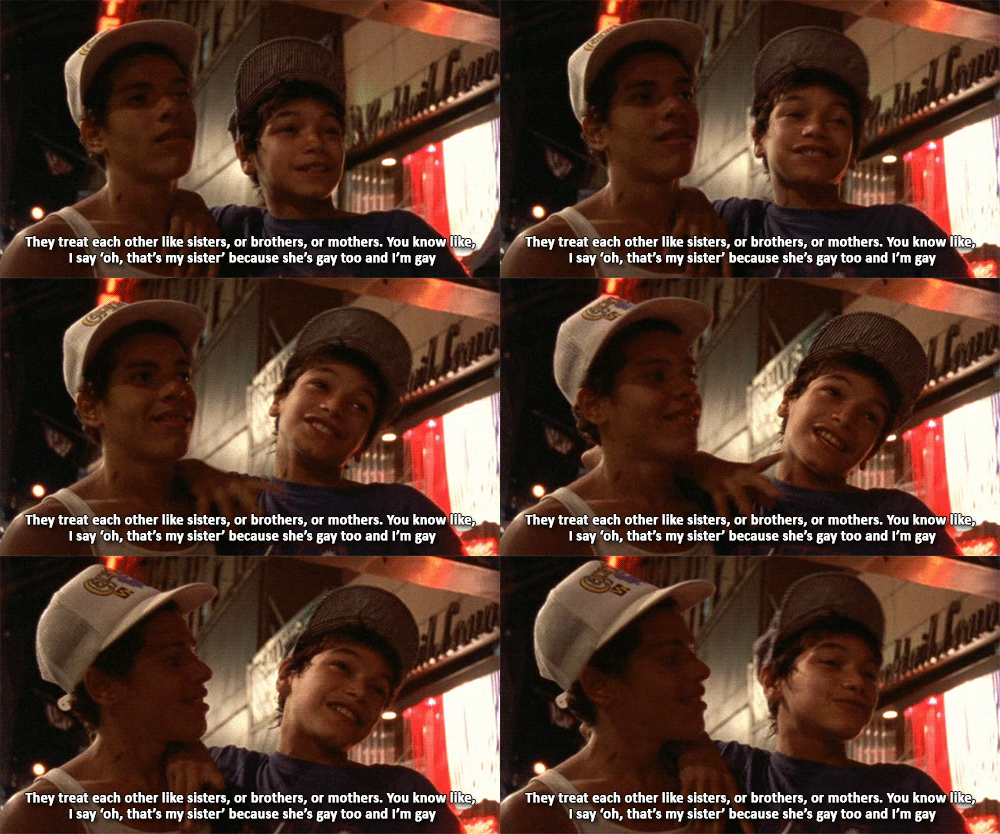
The last names associated with the performers indicate which “house” they belong to. “Houses” are social groups and teams within the ball circuit that are named after performers who have become well known via competitions. Within each house there is a “mother” and/or “father” who provide support and guidance to house members. While those in the same house do not necessarily live together, they do offer a sense of community, especially to LGBT+ teenagers. Some as young as 13-years-old have run away due to lack of acceptance from their families. In this sense, these houses have actually become homes to many members of the drag scene, supplying compassion and care they had previously been denied.

paris3

Even with the multitude of positive aspects, this film still contains quite a few problematic, even insensitive elements. While it may appear as though the performers are getting the opportunity to tell their own stories (which in some ways they do), the director is still in the driver’s seat for how scenarios, even unscripted ones, are translated onto screen. In this case, that person is Jennie Livingston, a white, cisgender lesbian woman. None of these characteristics are ever explicitly disclosed to viewers as Livingston never makes an appearance on screen. In her chapter, “Is Paris Burning?” bell hooks writes how, due to this unstated information, audiences “are watching a work shaped and formed by a perspective and standpoint specific to Livingston” (151). Whether they want to admit it or not, a majority of people passively watch films, never digging deeper than the content placed directly in front of them. While it would be easy to believe this film is a well-rounded portrayal of drag queens at the time, the fact remains that many details are modified if not ignored altogether. Despite being a member of the LGBT+ community, Livingston is still an outsider in this circumstance and it must be taken into account.

paris4
Willi Ninja Voguing

hooks writes about how the film never strays too far from the ball circuit, making it “the center of their lives” (154). While the balls and houses act as positive support systems, and may even be the entire world for some performers, the documentary does not leave room for the possibility that this may not be the case for all members of the community. Other than interviews from housemates, there is no commentary from friends or family outside of the drag circuit, which “makes it appear that the characters are estranged from any community beyond themselves” (154). Unfortunately, this takes away from the complex nature of human beings, acting as if these peoples’ lives cease to exist outside of the balls.

In addition to this, Livingston tends to gloss over other issues regarding the LGBT+ community that require more attention, opting instead to mask them with glamorization aspects in the film. For instance, during the AIDS crisis, LGBT+ people of color were just as, if not more affected than their white counterparts by the epidemic. Despite this, the only mention of the virus comes when someone can be heard saying they are merely afraid of contracting it. By not delving deeper into this topic once it’s mentioned, the film makes it seem as though it is an irrelevant, insignificant topic that does not claim the lives of many all while adding to the oppression they already face.

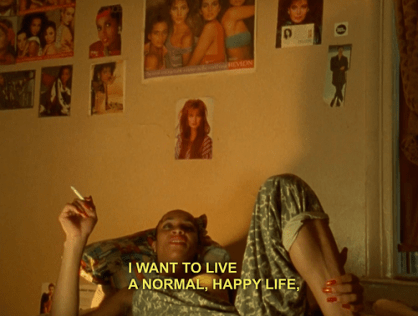
Perhaps the biggest injustice committed by Livingston within this documentary is the almost complete disregard for the brutal murder of Venus Xtravaganza in 1988. This information is shared by Angie Xtravaganza, Venus’ house mother, in a short interview excerpt. She was killed by someone who has still never been found nor identified, but it’s assumed that it was someone who became enraged upon discovering that she was a transgender woman. In fact, her body was not found until four days after the incident, making her death all the more tragic. Aside from Angie’s commentary, no other footage concerning Venus’ murder is included. Since the film was released almost two years after Venus’ death, it’s likely there is other content in regards to the matter (i.e. initial reactions, possible memorial footage), yet none of it is shown. In addition to this, even Angie’s remarks seem oddly calm and composed, indicating that some time has presumably passed, especially if they were as close as Angie let on.

Even more appalling  and heinous is the victim blaming that occurs both leading up to and following Venus’ murder. Angie states how she always warned Venus about her reckless and trusting behavior prior to her death, carrying with it a sort of ‘she had it coming’ vibe. Angie then states, “but that’s part of life, that’s part of being a transsexual in New York City.” Rather than calling for action and expressing outrage at her friend’s murder, it seems as though she has come to terms with the fact that this is a normal occurrence. This notion alone warrants more attention to the subject matter on the film’s part along with a further exploration so that these tragedies may be prevented. In my opinion, the film needed to push this issue deeper so as to uncover why this is the attitude adopted by many, while also working to diminish the complacency outside the community.

Almost immediately following this shocking news, the solemn tone is quickly washed away as a montage of ball clips accompanied by an upbeat song take over the screen just minutes later. Venus’ name does not even make the cut for the “In Loving Memory” section of the film that precedes the credits. The fact that the whole ordeal is overshadowed by clips of ball competitions puts forth a pretty harsh message: drag is completely acceptable, so long as it stays within the confines of the balls. These performers’ aspirations and goals will be tolerated if and only if they stay in the form which they began, as fantasies. Venus’ demise proves that if anyone within the ball circuit even attempts to enter into the part of the society they have been blatantly ostracized from, they will be met with deadly consequences.

venus

With this being said, I thoroughly did enjoy this film, as I believe this subculture needs and deserves a celebratory piece. All too often, queer films either kill off or only focus on the negative aspects faced by the LGBT+ community, if they are even featured in the first place. The houses provided me with a newfound hope that just because LGBT+ teens are rejected by their homophobic families, does not mean they won’t eventually find a group of similar individuals that will support and accept them. I also think it’s important that the film paid homage to concepts still used today, as many are unaware of their origins (i.e. voguing, “shade,” etc.).

However, we cannot afford to ignore certain issues, especially when they are an ominous presence, lingering in the background of this film. Although these pressing problems are referenced, the film offers little to no follow-up for the questions it has created. At the conclusion of this film I found myself wondering what became of all the performers interviewed and documented. Did any of them ever achieve their goals, thus making their dreams a reality? Or did they suffer an untimely and undeserved death like that of their friend? I think it’s worth noting that we can appreciate an art form while still being critical of it. In this case, we can admire the visibility of an overlooked group, but we must also keep in mind the lens through which the film is being shot. We can acknowledge the positive impact and discussions that develop as a result of this film, so long as we recognize that the glitz and glamour can sometimes be a distraction from injustices that are occurring behind the scenes.

paris1

Works Cited

Butler, Judith. “Gender is Burning: Questions of Appropriation and Subversion.” Bodies That Matter, Roudedge, 1993, 386.

hooks, bell. “Is Paris Burning?.” Black Looks: Race and Representation, South End Press, 1992, 151-154.

Paris is Burning. Dir. Jennie Livingston, Miramax, 1990.

“Venus Xtravaganza’s Murder.” YouTube, uploaded by Darnell Ny, 22 May 2013, https://www.youtube.com/watch?reload=9&v=4ekU2KVP2HE.


The War Rages On: A Close Look at ‘How to Survive a Plague’

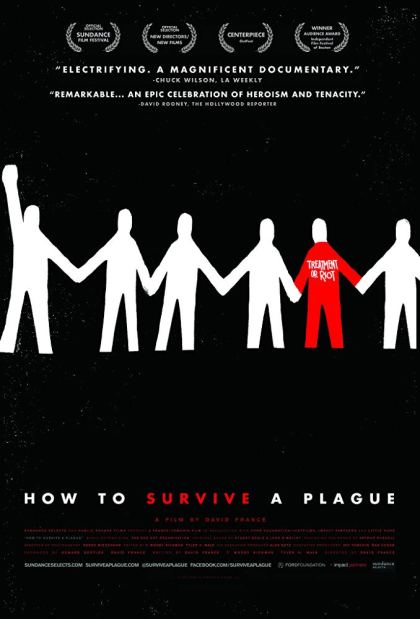
AIDScover

In 2018, the mere mention of HIV/AIDS does not elicit a nationwide panic the way it did in the late 1980s and early 90s. Several decades ago, people knew virtually nothing about the virus, whereas today new technology has emerged and more research has been conducted to better understand the disease. While people are no longer worried about contracting HIV/AIDS via toilet seats or water fountains, the ignorance remains. Despite information about this virus being readily available, it’s unlikely that most of the general public can even explain the difference between the two acronyms so often grouped together.

HIV (Human Immunodeficiency Virus) is a lifelong condition that essentially attacks a person’s immune system, making them more susceptible to infections and diseases that their body would normally fight off. AIDS (Acquired Immune Deficiency Syndrome) is the most severe stage of HIV and usually results in death over time. People with HIV do not always have AIDS, as it typically takes about 10 years for a person with HIV to develop AIDS if they are not receiving any treatment (“HIV/AIDS”). 

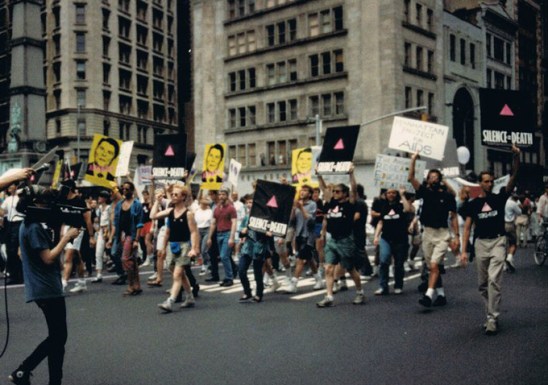
The 2012 documentary, How to Survive a Plague, chronicles the efforts of the activist group ACT UP (AIDS Coalition to Unleash Power) in their fight during the AIDS epidemic. Their goals not only included increasing visibility for those living with HIV/AIDS, but they also pushed government institutions (i.e. the Food and Drug Administration) to shorten the time of drug trials to make life-altering treatments available to the public. At the time, the only drug available for those with HIV/AIDS was AZT (Azidothymidine), which cost $10,000 per year and was known to occasionally cause blindness. In their attempts to bring forth new treatments, the members of ACT UP would organize “kiss-ins,” marches, protests, and at one point even dumped the ashes of loved ones that had died of AIDS onto the White House lawn to get their message across: enough is enough.

Protesters scattering loved ones’ ashes on the White House front lawn

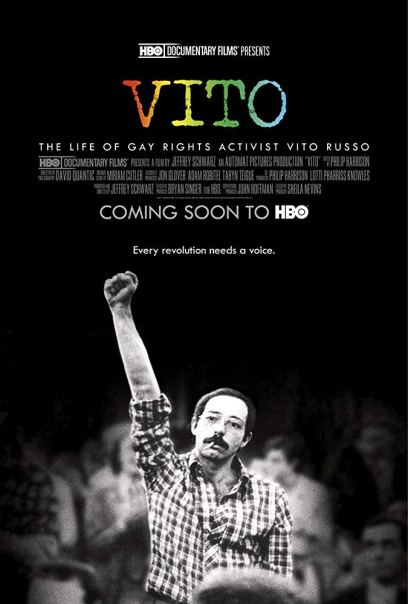
Prior to seeing this film, I had never even heard of ACT UP, or any of the key players in this movement, one of the most inspiring being Vito Russo. Diagnosed with AIDS in 1985, he frequently spoke out about the severe injustices against LGBT+ members (and later those living with AIDS) at the hands of the U.S. government. Like most of those associated with the movement, Russo was outraged as elected officials sat idly by while members of their community were dying.

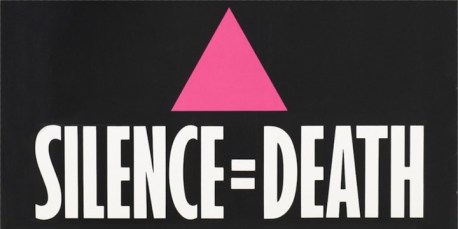
silence=death

For me, the most compelling aspect of this film was the rhetoric that was employed to emphasize ACT UP’s central cause. From slogans such as “Silence=Death,” to “The government has blood on its hands,” ACT UP was incessant when it came to confronting the government on their lack of action in the midst of a crisis. The harsh realization that no one was looking out for them forced members of ACT UP to take their lives into their own hands. They knew substantial actions, not empty words and promises from government officials, would be their only hope for survival. Members would tirelessly plan demonstrations where hundreds, sometimes thousands would take to the streets or occupy institutions, refusing to leave until they were heard. It was in these moments that ACT UP made it impossible for them to be ignored, thus igniting change.

From the beginning of the documentary, the AIDS epidemic and the subsequent fight for treatment was compared to that of warfare. Those with AIDS were witnessing their friends dying around them, while simultaneously being scared for their own life. All while this chaos was ensuing, those with AIDS had to deal with the bizarre dichotomy of not knowing if they’d live to see another day, yet relentlessly working to delay death nonetheless. In her chapter, “The Rhetoric of AIDS: A New Taxonomy,” Emily F. Nye describes how during this time, people with AIDS were forced to “confront their own mortality, often in the prime of their lives, and may go through the same life review process that senior citizens engage in” (240). With this in mind, it becomes even more remarkable how much passion and drive these activists possessed, even when it was uncertain whether or not they would ever find a cure.

actupprotest

It wasn’t until nearly a decade later, in 1996, that considerable change occurred when protease inhibitors (a combination of antiviral drugs) were released. Amid this relief, however, those that now had access to these drugs were left with a sort of “survivor guilt,” wondering why they survived while their friends had perished. It consequently became difficult to settle into a daily routine or adopt a sense of normalcy as they had already come to terms with the fact that they were going to die.

Along with finding new treatments, members of ACT UP also changed the entire narrative surrounding HIV/AIDS. In an interview with Tina Takemoto, Douglas Crimp mentions how “ACT UP radically changed the public discussion about AIDS in the media from one of hysteria and blaming the victim to one of recognizing AIDS as a public health emergency” (83). Instead of simply being terrified of contracting HIV/AIDS, the general population began to view the virus as a serious issue that required the attention of everyone, whether they were diagnosed or not.

Despite the monumental bounds made by ACT UP, the documentary concludes with a sort of “lest we forget” ambience. Before the credits begin to roll, a spine-chilling statistic is displayed; the number of people who die because they cannot afford drugs to treat HIV/AIDS: two million each year (which is then translated into four every minute). This was the data in 2012, and with our nation’s current state it’s likely those numbers are even higher in 2018.

Even though the film was released in 2012, it stops following AIDS efforts around 1996, but this is not where the belief that AIDS is no longer an issue originated. In his article, “Remembering AIDS: A Reconsideration of the Film Longtime Companion,” David Román writes about how this notion:

began to emerge in the mid-1990s in response to the success of new treatment options that became available to a segment of the AIDS community, mainly those living in North American cities and who had access to these drug cocktail therapies and the money, insurance, or clinical trials that made them available in the first place. (283)

vitocover

Although new drugs have been developed, tested, and approved since this film’s release, there is currently no cure for HIV/AIDS. Román notes that even though the dialogue surrounding AIDS is “certainly different from before” (282), we are far from being considered a post-AIDS society. Simply because a drug is made available to the public does not mean it is accessible. The closing statistic of the film did not say how many people died of AIDS alone, but how many people died because they were unable to afford treatment, indicating that the presence of effective treatments are essentially useless if they are too expensive for those that need it most. Perhaps significant changes still have not been made in regards to this issue because of the truth behind Russo’s statement, “we’re not trying because the right people aren’t dying” (Vito). 

It’s estimated that there are approximately 1.1 million people in the U.S. living with HIV, yet 1 in 7 of them are unaware of their diagnosis (“U.S. Statistics”). Oftentimes, HIV/AIDS cases go undetected because symptoms are usually non-existent, as they can take up to 10 years to appear (“HIV/AIDS”). Despite it being recommended that a person get tested roughly every six months, many never do because of the stigmas associated with getting tested. Along with this, current treatment options have led people to feel practically invincible when it comes to HIV/AIDS. Drugs that help manage HIV as well as pre-exposure medications have caused many to develop an ‘it won’t happen to me’ mentality, when in reality anyone who is sexually active is at risk. While this does not warrant complete and utter alarm, it is important that people are made aware of HIV/AIDS and the preventative measures and/or treatment options used to counteract it.

Taking all of this into account, I am not attempting to detract from the importance of this documentary. How to Survive a Plague displays the courageous measures ACT UP went to and just how much of an impact a movement can have when its members are dedicated and willing to sacrifice their time, money, and (unfortunately in this case) their lives. With this being said, however, AIDS is not an issue of the past, countless people are still affected by it and live with it on a daily basis. Although immense strides have been made in creating and developing new treatments, the issue of accessibility and affordability remains for many. Still, in moments like these when times seem bleak and uncertain, advice from the documentary lingers: stand up and fight for your own as well as the rights of others before they are taken away as a result of complacency.

actup

Works Cited: 

“‘Bring the Dead’ to the White House.” YouTube, uploaded by PBS, 26 Dec. 2013. https://www.youtube.com/watch?v=PNy1rhsS_As.

“HIV/AIDS.” PlannedParenthood, https://www.plannedparenthood.org/learn/stds-hiv-safer-sex/hiv-aids. Accessed 7 Sept. 2018.

How to Survive a Plague. Dir. David France. Sundance Selects, 2012.

Nye, Emily F. “The Rhetoric of AIDS: A New Taxonomy.” Embodied Rhetorics: Disability in Language and Culture, edited by James C. Wilson and Cynthia Lewiecki-Wilson, Southern Illinois University Press, 2001: 240.

Román, David. “Remembering AIDS: A Reconsideration of the Film Longtime Companion.” GLQ: A Journal of Lesbian and Gay Studies, vol. 12, no. 2, 2006: 282-283.

Takemoto, Tina. “The Melancholia of AIDS: Interview with Douglas Crimp.” Art Journal, vol. 62, no. 4, 2003: 83.

“U.S. Statistics.” HIV.gov, 11 July 2018, https://www.hiv.gov/hiv-basics/overview/data-and-trends/statistics. Accessed 7 Sept. 2018.

Vito. Dir. Jeffrey Schwarz. First Run Features, 2011.

‘The Miseducation of Cameron Post’:Just the Tip of the Iceberg with LGBTQIA+ Issues


cameron post 1

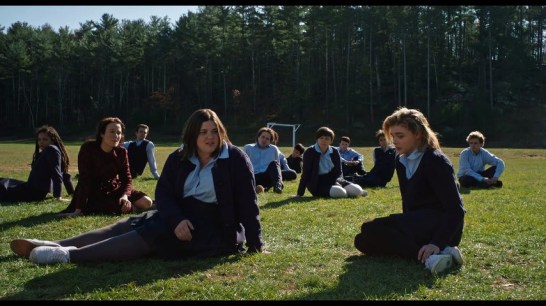
One of the most damaging actions a parent or guardian can take against their children is discouraging them from being who they truly are. This is precisely what occurs in The Miseducation of Cameron Post. A fairly new film, based on a 2012 novel of the same title, the movie follows Cameron Post (Chloë Grace Moretz), a teenage girl that gets caught having sex with her female friend and is subsequently sent to a gay conversion therapy center. While at the center called “God’s Promise,” she becomes acquainted with several other “disciples” (nickname for campers) who, despite having vastly different backgrounds and upbringings, were sent to the center for reasons quite similar to Cameron’s.

In his essay, “Breaking into the Movies,” Henry A. Giroux writes about how “films both entertain and educate” (585), and this movie is no exception. While watching this film I became completely unaware that I would need to analyze its components. Not one scene feels exaggerated or overplayed, which allowed me to simply enjoy it for the sake of recreation. However, upon further reflection and a recap of my notes it became quite clear just how many layers are woven into the movie. With this being said, although the film attempts and even succeeds in touching on various topics (conversion therapy practices, genital mutilation, etc.), the film typically did not go in depth other than the mere introduction of these issues.

Despite the lack of further explanation with some topics, a recurring theme that is present throughout the film is perhaps best summarized when Cameron is being interviewed by a case worker following a fellow disciple named Mark’s (Owen Campbell) genital mutilation. When asked about if any misconduct is taking place at the camp Cameron rhetorically asks, “How is programming people to hate themselves not emotional abuse?” (The Miseducation of Cameron Post). More of an outright confrontation rather than a pressing question, this exchange proves that forcing someone to deny, alter, or suppress any aspect of their identity is a severe form of emotional abuse, regardless of whether it’s cloaked by love, religion, or any other “supportive” guise.

In the film’s opening scene the bible study leader tells the teenagers seated around him, “You’re at an age when you’re especially vulnerable to evil.” Although this notion proves true in some respects, this warning is merely a scare tactic used to discourage behavior deemed inappropriate by adults. Teenagers are shaped by their experiences as well as their environment, and they are in the midst of figuring out who they are. This is further proven when Cameron is in a session with the camp’s director, Dr. Lydia Marsh (Jennifer Ehle),  and she states, “I don’t really think of myself as anything.” While this may be the case, recalling the scene where Cameron is getting dressed for prom, her facial expressions and body language indicate just how uncomfortable she is playing a role to please those around her. Even though she may not view herself in clear-cut terms, she is well aware of who she is not.

cameronprom1

Oftentimes, when teenagers are trying to figure out who they are it becomes crucial for them to cling to definitive pieces of themselves. Despite this, the leaders of the camp actively and tirelessly attempt to pry these essential characteristics from the disciples and destroy them altogether. In a manner that is reminiscent of the Boarding School Era for Native Americans, the teenagers are stripped of any and everything that signifies their identity. From the way in which their personal items are confiscated upon arrival, to the implementation of uniforms, the camp forces the disciples to assimilate into straight Christians. This historical connection becomes finalized in the heartbreaking scene where Lydia shaves the head of a Native American two-spirit disciple named Adam (Forrest Goodluck). However, in this case, the mantra transforms from “Kill the Indian, Save the Man,” into “Kill the Homosexual, Save the Disciple.”

Yet another tactic that’s used to rob the disciples of their identities is the Iceberg Exercise, where the tip of the iceberg represents S.S.A (“same-sex attraction”) and is therefore only what appears to be the problem. The disciple’s job is to fill out the bottom portion of the iceberg with the underlying and deep rooted issues that have caused them to be homosexual so that they may be “cured.” Listing these moments, experiences, and/or traits makes them adopt negative undertones and causes the teenagers to feel as though they must entirely dissociate from them in order to be accepted in society. Just because the damage left as a result of this camp cannot be physically seen does not take away from the fact that it is a toxic environment with potentially deadly effects, as is seen with Mark when he self-harms.

cameron uniform

Despite all the hateful actions taking place on screen, one positive aspect that emerges is the sense of community that Cameron gains from her fellow disciples, especially with Jane (Sasha Lane) and Adam. With the help and support of one another, the three of them are able to hatch a plan that enables reclamation of their stolen identities. Greg M. Smith points out how “if something is in a film, it is there for a reason,” and this notion rings true in the film’s closing scenes when Cameron, Jane, and Adam decide to abandon the camp and all of its twisted teachings. The carefully crafted plan contains several symbolic actions that were conscientiously composed by the production team. The friends naturally had to ditch their uniforms to not draw attention to themselves outside of camp, but putting on their street clothes additionally serves as a way for them to be distinguished from one another.

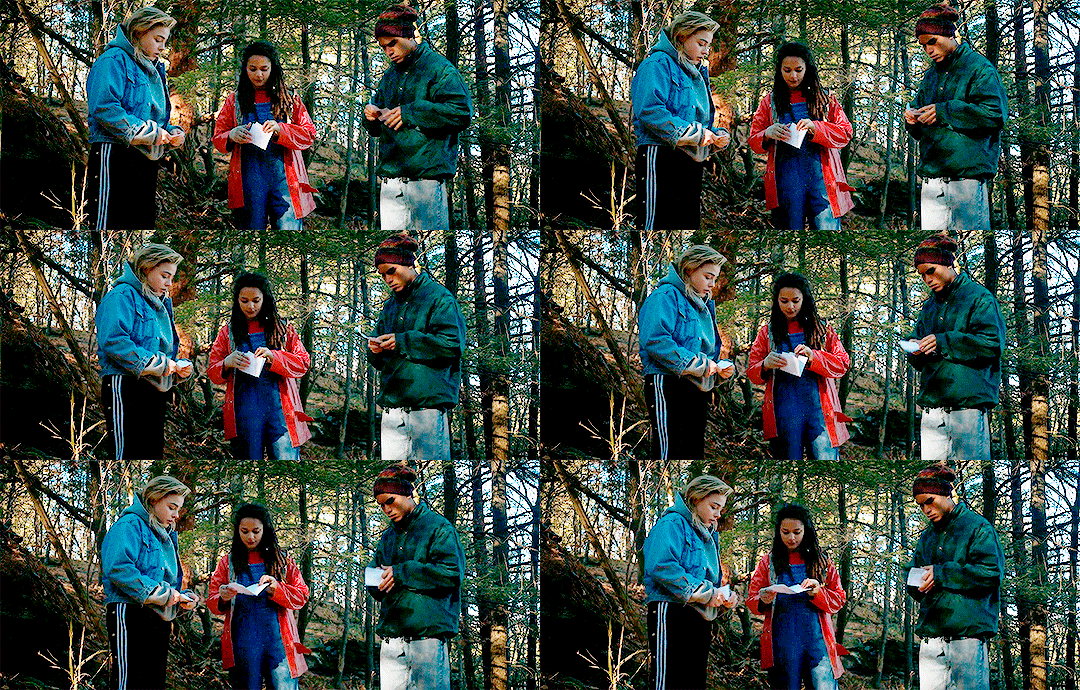
Even though there wasn’t necessarily a need to do so, Cameron and her friends all decide to burn their icebergs prior to fleeing. Record of them being at the camp exists with or without the icebergs, yet by burning the pieces of paper they are able to eradicate the self-hate the conversion center tried to passionately instill within them. Fire and ice are polar opposites, therefore burning their so-called “mistakes” or “errors” is a seemingly perfect way to resist and combat the camp’s teachings. This moment represents the beginning of their fresh start and the destruction of the labels others placed on them. Although, when given the opportunity to burn the picture of her aunt that sent her to “God’s Promise,” Cameron instead puts the photo into her pocket, proving that even though she is starting anew she still recognizes that her past shaped her into the person she currently is. This signifies that Cameron has ultimately developed a larger acceptance of herself, negative experiences included.

cameronicebergs

Leaving the theater after watching the film, I could not help but feel unresolved. Sure, Cameron and her friends escaped the horrid conversion therapy center, but what is to come of them now? With this being said, I was satisfied knowing that they found acceptance (both from others and within themselves) and I was even more relieved that they did not experience complete identity erasure nor the untimely death that usually concludes these stories.

While I found myself wanting more content from the film in certain areas, I agree with Bell Hooks when she writes about how films not only illustrate specific circumstances, but “they provide a shared experience, a common starting point from which diverse audiences can dialogue about these charged issues” (2). The Miseducation of Cameron Post introduces a variety of topics and even though the movie only skims the surface with many of them, it still manages to jump-start a conversation about LGBTQIA+ themes between viewers, which is the first step toward creating real change within a society.

camerontruck

Works Cited:

Giroux, Henry A. “Breaking into the Movies: Pedagogy and the Politics of Film.” Policy Futures in Education, vol. 21, no. 3, 2001, 585. Web. 31 Aug. 2018.

Hooks, Bell. “Making Movie Magic.” Reel to Real: Race, Sex, and Class at the Movies. Routledge, 1996, 2. Web. 31 Aug. 2018.

Malecs. The Miseducation of Cameron Post (2018). Tumblr, 6 May 2018, http://malecs.tumblr.com/post/173643884182/the-miseducation-of-cameron-post-2018-dir. Accessed 31 Aug. 2018.

Smith, Greg M. “‘It’s Just a Movie’: A Teaching Essay for Introductory Media Classes.” Cinema Journal, vol. 41, no. 1, 2001, 65. Web. 31 Aug. 2018.

The Miseducation of Cameron Post. Directed by Desiree Akhavan, performances by Chloe Grace Moretz, John Gallagher, Jr., Sasha Lane, Forrest Goodluck, FilmRise, 2018.

Introduction/Biography

cinema
Hello!

This blog will be used to create critical analyses of the films presented in my Queer Film course. Not only will I be extracting an argument that the film makes in regard to LGBTQIA+ lives, but I will also delve into how it does this. Utilizing assigned readings as well as other supplementary materials (including personal experiences) I will be able to support my claims.

My name is Lexi and I was born and raised in Omaha, NE but a scholarship opportunity is what ultimately led me to the University of Nebraska at Omaha. At UNO I am an English major with a concentration in American Literature along with a minor in Native American Studies. I am a bibliophile, a pineapple on pizza enthusiast, and an avid supporter of musical theatre. A few of my personal favorites include Rent, Dear Evan Hansen, The Color Purple, Les Misérables, and In the Heights. In fact, my one (and likely only) claim to fame is that I was one of the lucky few that had the opportunity of seeing Hamilton: An American Musical in New York City with almost all of the original cast members. Unfortunately and regrettably, this excluded the American treasures that are Lin Manuel Miranda and Leslie Odom Jr. Aside from this, my boyfriend and I attend Broadway shows that are touring in Omaha and the surrounding areas whenever time and our bank accounts permit.

hamilton

I remember first hearing about Queer Film as a course a few semesters ago when I was taking a Critical Approaches to Language Studies with Dr. Kennedy. Following this, other professors and advisers of mine encouraged me to take it, sharing positive feedback and experiences they had received from students who had previously taken the course. I ultimately decided to enroll in Queer Film for a multitude of reasons. I knew this course would be a challenge for me since the materials being examined are visual pieces as opposed to written works, which up until this point was generally what most of my assignments and projects had focused on. Despite this, I want to continually work so that I may become adept at analyzing all art forms, especially in a world where visuals are becoming prominent devices through which our ideals as a society are shaped.

I am aware that when it comes to analyzing films there are specific terms and concepts that must be addressed in order to properly critique a work. These ideas vastly differ from the ones that are used when analyzing a novel. For instance, the use of particular camera angles or shots, fade ins/outs, and crosscutting provides a certain kind of depth and allows viewers to establish an emotional connection in ways that written works sometimes are unable to. In taking this course it is also my hope and goal to not only identify, but also correct my ignorances as well as familiarize myself on topics that I am currently uneducated on so that I am able to become a better ally for the LGBTQIA+ community.

cinema2

A vast majority of the film titles we discussed on our first day of class were unknown to me. Sure, I recognized and have seen some of the movies, but it was typically those that have been advertised by the mainstream media and while not always the case, these films often tend to lack depth, do not exhibit true representation, and are problematic in more ways than just a few. Therefore, this course will allow me to expand the range of films I typically watch. Viewing these films in the open setting that this course allows will also bring forth new and insightful perspectives that I likely would have otherwise not adopted or been exposed to had I watched them on my own.

As for certain films, my unfamiliarity with them will likely act as more of a hindrance rather than an advantage. Since I have not seen most of these films, I have no preconceived notions or opinions of them, which in turn will allow me to be objective when examining them. However, oftentimes background information is quite pertinent when it comes to understanding certain aspects of a film, which could be the reason why mainstream queer movies can be seen as shallow and tend to miss the mark. I believe that the lack of LGBTQIA+ screenwriters, directors, actors/actresses, etc. contributes to and perpetuates the production of films that inaccurately portray the experiences of the LGBTQIA+ community and hide behind the guise of attempting to create an inclusive space for them in Hollywood. While it may seem like an insignificant start, I believe these blogs, as trivial as they may initially appear, can be used to expose and confront these issues so that perhaps substantial change can eventually occur within the movie industry, especially when it comes to those depicting LGBTQIA+ lives.

endblog1