In 2018, the mere mention of HIV/AIDS does not elicit a nationwide panic the way it did in the late 1980s and early 90s. Several decades ago, people knew virtually nothing about the virus, whereas today new technology has emerged and more research has been conducted to better understand the disease. While people are no longer worried about contracting HIV/AIDS via toilet seats or water fountains, the ignorance remains. Despite information about this virus being readily available, it’s unlikely that most of the general public can even explain the difference between the two acronyms so often grouped together.
HIV (Human Immunodeficiency Virus) is a lifelong condition that essentially attacks a person’s immune system, making them more susceptible to infections and diseases that their body would normally fight off. AIDS (Acquired Immune Deficiency Syndrome) is the most severe stage of HIV and usually results in death over time. People with HIV do not always have AIDS, as it typically takes about 10 years for a person with HIV to develop AIDS if they are not receiving any treatment (“HIV/AIDS”).
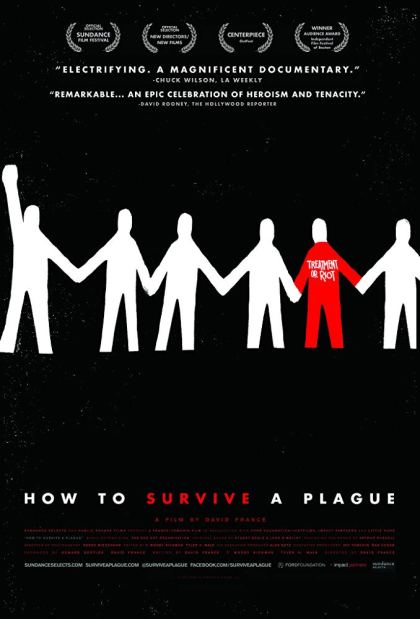
The 2012 documentary, How to Survive a Plague, chronicles the efforts of the activist group ACT UP (AIDS Coalition to Unleash Power) in their fight during the AIDS epidemic. Their goals not only included increasing visibility for those living with HIV/AIDS, but they also pushed government institutions (i.e. the Food and Drug Administration) to shorten the time of drug trials to make life-altering treatments available to the public. At the time, the only drug available for those with HIV/AIDS was AZT (Azidothymidine), which cost $10,000 per year and was known to occasionally cause blindness. In their attempts to bring forth new treatments, the members of ACT UP would organize “kiss-ins,” marches, protests, and at one point even dumped the ashes of loved ones that had died of AIDS onto the White House lawn to get their message across: enough is enough.
Protesters scattering loved ones’ ashes on the White House front lawn
Prior to seeing this film, I had never even heard of ACT UP, or any of the key players in this movement, one of the most inspiring being Vito Russo. Diagnosed with AIDS in 1985, he frequently spoke out about the severe injustices against LGBT+ members (and later those living with AIDS) at the hands of the U.S. government. Like most of those associated with the movement, Russo was outraged as elected officials sat idly by while members of their community were dying.
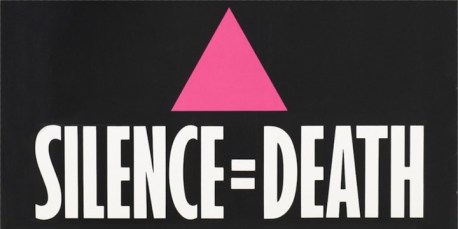
For me, the most compelling aspect of this film was the rhetoric that was employed to emphasize ACT UP’s central cause. From slogans such as “Silence=Death,” to “The government has blood on its hands,” ACT UP was incessant when it came to confronting the government on their lack of action in the midst of a crisis. The harsh realization that no one was looking out for them forced members of ACT UP to take their lives into their own hands. They knew substantial actions, not empty words and promises from government officials, would be their only hope for survival. Members would tirelessly plan demonstrations where hundreds, sometimes thousands would take to the streets or occupy institutions, refusing to leave until they were heard. It was in these moments that ACT UP made it impossible for them to be ignored, thus igniting change.
From the beginning of the documentary, the AIDS epidemic and the subsequent fight for treatment was compared to that of warfare. Those with AIDS were witnessing their friends dying around them, while simultaneously being scared for their own life. All while this chaos was ensuing, those with AIDS had to deal with the bizarre dichotomy of not knowing if they’d live to see another day, yet relentlessly working to delay death nonetheless. In her chapter, “The Rhetoric of AIDS: A New Taxonomy,” Emily F. Nye describes how during this time, people with AIDS were forced to “confront their own mortality, often in the prime of their lives, and may go through the same life review process that senior citizens engage in” (240). With this in mind, it becomes even more remarkable how much passion and drive these activists possessed, even when it was uncertain whether or not they would ever find a cure.

It wasn’t until nearly a decade later, in 1996, that considerable change occurred when protease inhibitors (a combination of antiviral drugs) were released. Amid this relief, however, those that now had access to these drugs were left with a sort of “survivor guilt,” wondering why they survived while their friends had perished. It consequently became difficult to settle into a daily routine or adopt a sense of normalcy as they had already come to terms with the fact that they were going to die.
Along with finding new treatments, members of ACT UP also changed the entire narrative surrounding HIV/AIDS. In an interview with Tina Takemoto, Douglas Crimp mentions how “ACT UP radically changed the public discussion about AIDS in the media from one of hysteria and blaming the victim to one of recognizing AIDS as a public health emergency” (83). Instead of simply being terrified of contracting HIV/AIDS, the general population began to view the virus as a serious issue that required the attention of everyone, whether they were diagnosed or not.
Despite the monumental bounds made by ACT UP, the documentary concludes with a sort of “lest we forget” ambience. Before the credits begin to roll, a spine-chilling statistic is displayed; the number of people who die because they cannot afford drugs to treat HIV/AIDS: two million each year (which is then translated into four every minute). This was the data in 2012, and with our nation’s current state it’s likely those numbers are even higher in 2018.
Even though the film was released in 2012, it stops following AIDS efforts around 1996, but this is not where the belief that AIDS is no longer an issue originated. In his article, “Remembering AIDS: A Reconsideration of the Film Longtime Companion,” David Román writes about how this notion:
began to emerge in the mid-1990s in response to the success of new treatment options that became available to a segment of the AIDS community, mainly those living in North American cities and who had access to these drug cocktail therapies and the money, insurance, or clinical trials that made them available in the first place. (283)
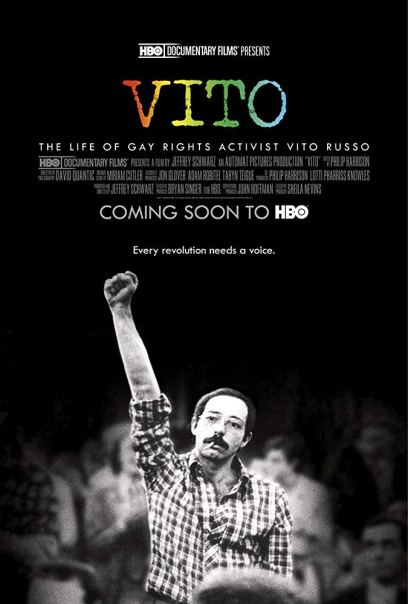
Although new drugs have been developed, tested, and approved since this film’s release, there is currently no cure for HIV/AIDS. Román notes that even though the dialogue surrounding AIDS is “certainly different from before” (282), we are far from being considered a post-AIDS society. Simply because a drug is made available to the public does not mean it is accessible. The closing statistic of the film did not say how many people died of AIDS alone, but how many people died because they were unable to afford treatment, indicating that the presence of effective treatments are essentially useless if they are too expensive for those that need it most. Perhaps significant changes still have not been made in regards to this issue because of the truth behind Russo’s statement, “we’re not trying because the right people aren’t dying” (Vito).
It’s estimated that there are approximately 1.1 million people in the U.S. living with HIV, yet 1 in 7 of them are unaware of their diagnosis (“U.S. Statistics”). Oftentimes, HIV/AIDS cases go undetected because symptoms are usually non-existent, as they can take up to 10 years to appear (“HIV/AIDS”). Despite it being recommended that a person get tested roughly every six months, many never do because of the stigmas associated with getting tested. Along with this, current treatment options have led people to feel practically invincible when it comes to HIV/AIDS. Drugs that help manage HIV as well as pre-exposure medications have caused many to develop an ‘it won’t happen to me’ mentality, when in reality anyone who is sexually active is at risk. While this does not warrant complete and utter alarm, it is important that people are made aware of HIV/AIDS and the preventative measures and/or treatment options used to counteract it.
Taking all of this into account, I am not attempting to detract from the importance of this documentary. How to Survive a Plague displays the courageous measures ACT UP went to and just how much of an impact a movement can have when its members are dedicated and willing to sacrifice their time, money, and (unfortunately in this case) their lives. With this being said, however, AIDS is not an issue of the past, countless people are still affected by it and live with it on a daily basis. Although immense strides have been made in creating and developing new treatments, the issue of accessibility and affordability remains for many. Still, in moments like these when times seem bleak and uncertain, advice from the documentary lingers: stand up and fight for your own as well as the rights of others before they are taken away as a result of complacency.

Works Cited:
“‘Bring the Dead’ to the White House.” YouTube, uploaded by PBS, 26 Dec. 2013. https://www.youtube.com/watch?v=PNy1rhsS_As.
“HIV/AIDS.” PlannedParenthood, https://www.plannedparenthood.org/learn/stds-hiv-safer-sex/hiv-aids. Accessed 7 Sept. 2018.
How to Survive a Plague. Dir. David France. Sundance Selects, 2012.
Nye, Emily F. “The Rhetoric of AIDS: A New Taxonomy.” Embodied Rhetorics: Disability in Language and Culture, edited by James C. Wilson and Cynthia Lewiecki-Wilson, Southern Illinois University Press, 2001: 240.
Román, David. “Remembering AIDS: A Reconsideration of the Film Longtime Companion.” GLQ: A Journal of Lesbian and Gay Studies, vol. 12, no. 2, 2006: 282-283.
Takemoto, Tina. “The Melancholia of AIDS: Interview with Douglas Crimp.” Art Journal, vol. 62, no. 4, 2003: 83.
“U.S. Statistics.” HIV.gov, 11 July 2018, https://www.hiv.gov/hiv-basics/overview/data-and-trends/statistics. Accessed 7 Sept. 2018.
Vito. Dir. Jeffrey Schwarz. First Run Features, 2011.

 Queer Cinema
Great analysis! I like that you included so much information and recent stats about AIDS. When they talked about how expensive AZT was in the movie, it reminded me of a recent incident involving overpriced AIDS medication. A few years ago, there was a pharmaceutical company that bought a drug used to treat AIDS patients and they raised the prices from $13 to $750. You’re right when you say there hasn’t been significant change with this issue. I can’t imagine how cruel someone would have to be to cut off access to something that could save lives.
LikeLiked by 1 person
I agree with you on the idea that the film truly highlighted how passionate and dedicated everyone was to their cause, even in uncertainty. I appreciate how you included information on the way AIDS is approached today, more specifically how that passion and dedication is glaringly absent, as well as your point about availability not necessarily meaning accessibility. I think the entire situation is widely thought of as an event of the past, something that isn’t a threat anymore, so no one feels obligated to act out.
LikeLiked by 1 person
I enjoyed your discussion about the prevalence of HIV today. I think it can be shocking to a lot of people that it has not really disappeared today, but rather it has been minimized because of the treatments we have today. I think many people don’t realize how important it can be to get tested, especially when many places offer free screening. On top of this, HIV can be screened extremely quickly. I definitely think HIV/AIDS should be taken as seriously as it was then, otherwise this disease will continue to harbor threats toward the most vulnerable in our communities.
LikeLiked by 1 person
I love how you analyze this film! All of the hardships and hard work that people put into this cause! I liked how you brought in the current issues still present today with AIDS. There’s still a lot of work that needs to be done and steps to be taken. It’s all in individuals hands now it seems…
LikeLiked by 1 person
This blog is pure perfection. Your critique is insightful and you do an excellent job of incorporating secondary sources into your analysis.
LikeLike